
Helping students successfully learn joint anatomy requires more than memorization. Effective instruction encourages engagement, active learning, and reflection. When teaching joint anatomy to athletic training (AT) students, instructors can incorporate a variety of teaching strategies and learning tools that strengthen understanding of musculoskeletal structures and their clinical relevance.
Below are several approaches that can help support students studying joint anatomy in athletic training and anatomy coursework.
Integrate Joint Anatomy Illustrations into Lectures
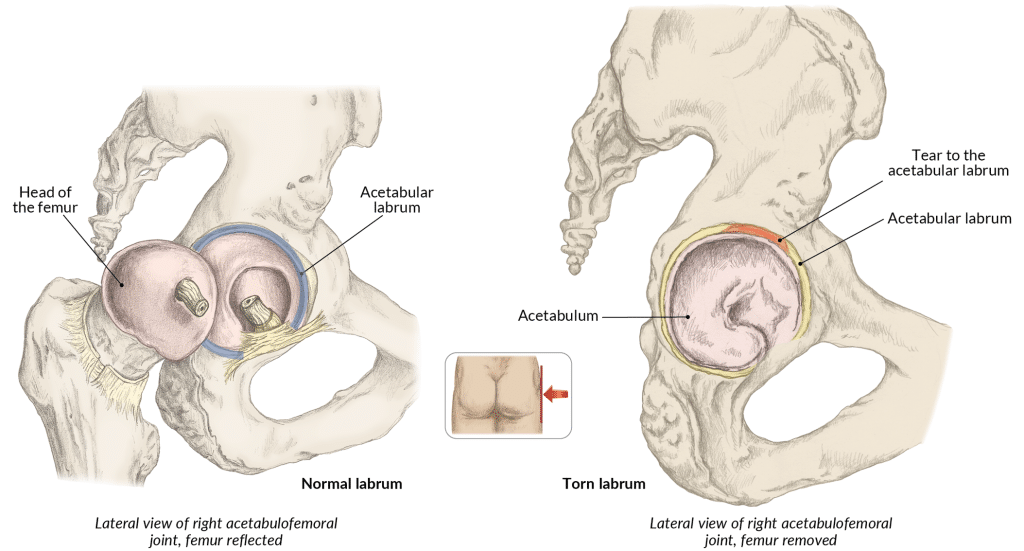
Visual learning plays an important role in anatomy education. Using detailed joint anatomy illustrations can help students better understand the structure of joints and the relationships between surrounding tissues.
Instructors can incorporate illustrations into:
- Lecture presentations
- Worksheets
- Review materials
- Quizzes and assignments
These visuals allow students to examine joint structures such as ligaments, tendons, bursae, and surrounding soft tissue in a clear and organized way.
Incorporate 3D Anatomical Videos
While 2D illustrations are valuable, 3D anatomical videos can provide an additional perspective that supports spatial understanding.
These resources allow students to visualize joint structures from multiple angles, helping them better understand how components interact during movement. This approach can be particularly helpful when teaching complex joints such as the shoulder or hip.
Use Clinically Relevant Stories
Introducing lessons with realistic clinical scenarios can help students connect anatomical knowledge to professional practice.
Sharing stories based on real clinical situations allows students to see how joint anatomy knowledge is applied when assessing injuries and treating patients in athletic training settings.
Review Key Concepts Before Each Lesson
Connecting new information to previously learned material can strengthen retention.
Before beginning a new lesson, instructors can briefly review:
- previously studied anatomical structures
- related functional anatomy concepts
- how upcoming material builds on prior knowledge
This helps students integrate new information into their broader understanding of anatomy and physiology.
Ask Guiding Questions
Encouraging students to think critically about upcoming material can increase engagement.
Examples include:
- Which joints are designed for greater mobility?
- Which sports place greater stress on the coxal (acetabulofemoral) joint?
- How do joint structures contribute to stability and movement?
These questions prompt students to begin analyzing anatomical relationships before formal instruction begins.
Encourage Independent and Supplemental Learning
Self-assessment tools can help students monitor their progress.
Practice quizzes and review exercises allow students to identify:
- concepts they understand well
- topics that may require additional review
These tools can reinforce knowledge gained in lectures and textbooks.
A Joint Anatomy Textbook Designed for Athletic Training Students
Joint Anatomy for Athletic Training, a clinical companion to Trail Guide to the Body, provides detailed coverage of the structure and function of joints most commonly encountered by athletic trainers.
This joint anatomy textbook explores the anatomy of joints and related structures such as:
- ligaments
- tendons
- bursae
- surrounding soft tissues
The eTextbook deepens students’ knowledge and understanding of musculoskeletal anatomy and joint function for the assessment of injuries by helping students to:
- Name and locate joint structures
- Describe the functional anatomy of the featured joint structures
- Explain the clinical relevance of the featured joint structures
- Differentiate among the featured joint structures
- Name and describe the cranial nerves and summarize ways to identify their functions
But what makes Joint Anatomy for Athletic Training unique to your students’ learning journey are the student-centered features and an interactive, engaging curriculum. It takes Trail Guide to the Body even further with all these helpful extras:
- Over 190 detailed joint anatomy illustrations.
- More than 40 videos that move through a specific joint.
- Relevant stories and interactive examples.

- Hyperlinked definitions of key concepts at the beginning of a chapter to assist students in their learning process.

- Chapter-opening questions that bridge what students already know and what they are about to learn.

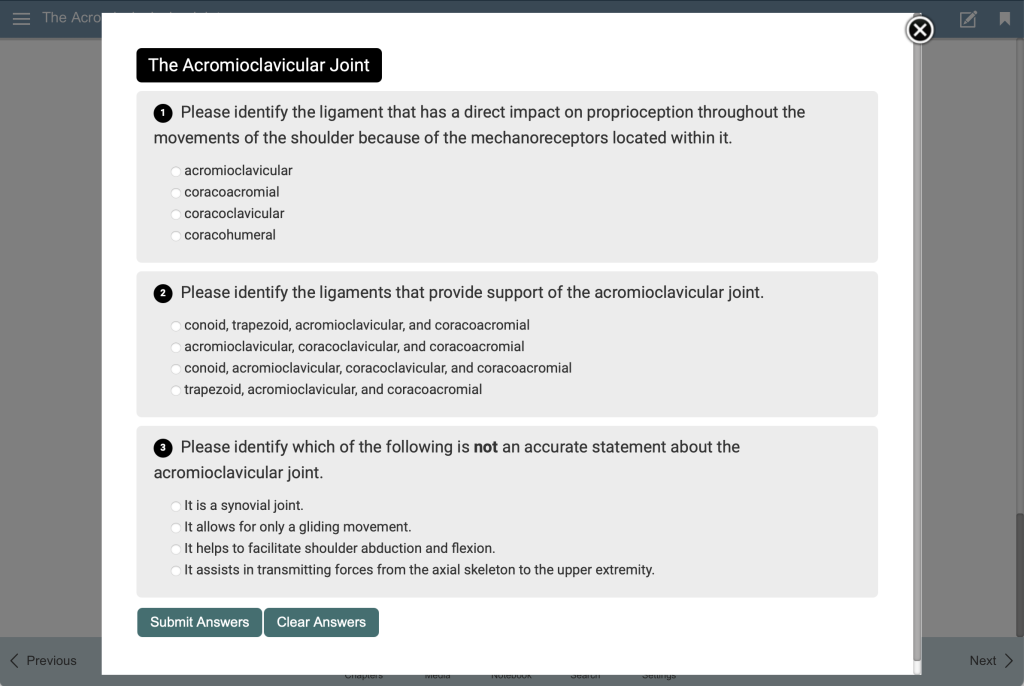
- Anchoring Brain Builders practice quizzes in multiple-choice format to lock in what students have learned and what they need to revisit.

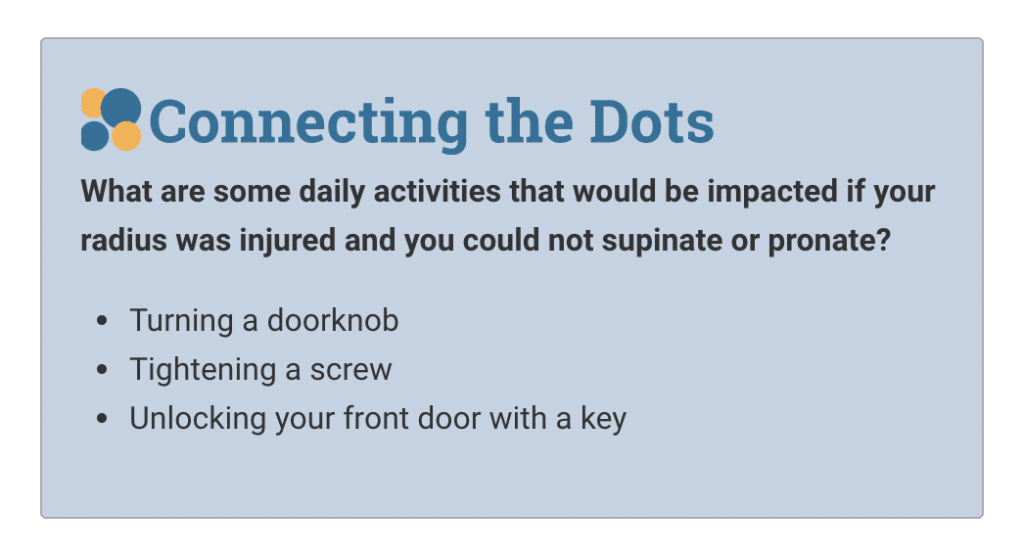
- Connecting the Dots encourage students to think of clinical examples of the concepts they have just read about.
- “What’s in a Name” explains why a structure is named what it is by offering quick histories of certain names and terms. Learning the story behind a name—such as anatomical snuffbox or Lisfranc joint—assists in student retention of the location and clinical relevance of a structure, condition, or procedure.

Complimentary Instructor Resources
When AT instructors requireJoint Anatomy for Athletic Training for one of their courses, they automatically gain access to tried-and-true teaching resources. These online tools make class prep and the delivery of engaging lessons quick and easy and include the following:
- Image library. Looking for an image of a joint from Joint Anatomy for Athletic Training that is fully labeled? Or, maybe you just want an image of a single joint structure highlighted? Our complimentary, downloadable Image Library has all the images you need to easily incorporate into a lecture presentation, create a worksheet, or add to one of your LMS assignments.
- Test Bank. This complimentary instructor resource has hundreds of different questions for creating practice or for-credit quizzes and tests.
- PowerPoint file. The timesaving, editable Joint Anatomy for Athletic Training PowerPoint file has everything needed to create classroom presentations. You can download the entire PowerPoint file with all chapters or simply download a single chapter.
- Curriculum. Our Curriculum provides detailed lesson plans and syllabi that you can customize to your program’s specific needs and use as inspiration for achieving student learning goals.
Instructors can request complimentary review access at booksofdiscovery.com/review.